What's So Great About . . . ?


What’s So Great About the Piano?

Members of the Circle of Scholars have free access to all Webinars.
Wagner
Few artists have wielded more influence than Richard Wagner. And few are more controversial, even 141 years after his death! So let’s continue our “What’s So Great About?” series with a lively session about this complex genius.
Wagner’s operas seem inexhaustible in their ability to stir the passions. His innovations changed theatrical design, architecture, and musical style. His fantastic concepts exerted influence on works like The Lord of the Ring and his fantastic concepts continue to inspire writers, composers, and film makers today. There are difficult aspects to his legacy as well that we will address.
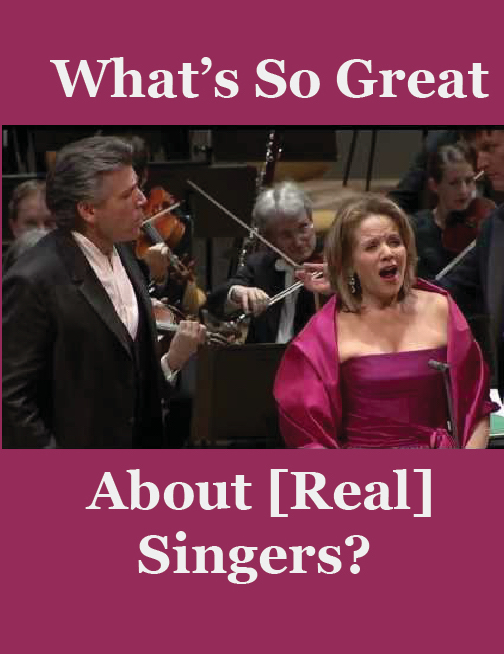
[Real] Singers
Here, in America, we have ceased to be a singing people. The singing voice, when we do hear it, is dependent on microphones and blasted by speakers. Many have lost contact with the emotive power of the natural voice.
In this webinar, we consider singers, their place in Western Cultural history, the ways they develop stylistically, and the role singing once played in shaping young lives. We luxuriate in the voices of artists like Maria Callas, Renée Fleming, Enrico Caruso, and, yes, Kenny Rogers! Plus, we tell the stories of two marvelous singers who dreamt about the international careers they have achieved while sitting in my music history classes.
Russian Fairy Tales
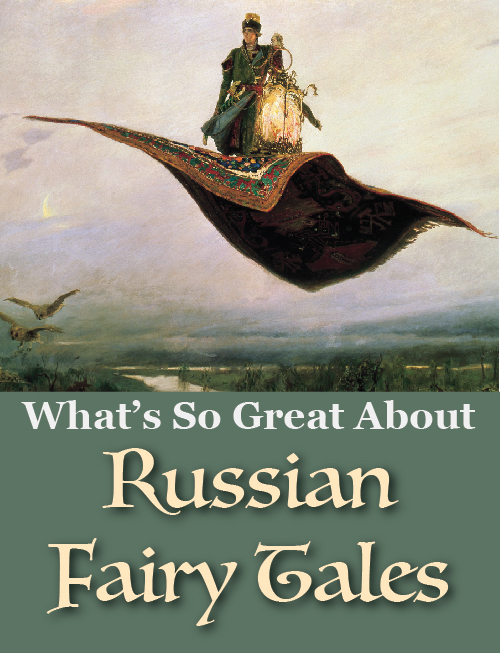
The power of fairy tales and fables continues to be esteemed in most cultures (although, we have lost touch with it in the United States). Russian fairy tales are among the most intriguing and colorful.
Almost effortlessly, fairy tales and fables teach good and evil, right and wrong. They speak in winsome, unforgettable ways of courage and cowardice, virtue and falsehood. Through such stories, children are able to glean the world around them and understand what will be expected of them as adults.
The Orchestra
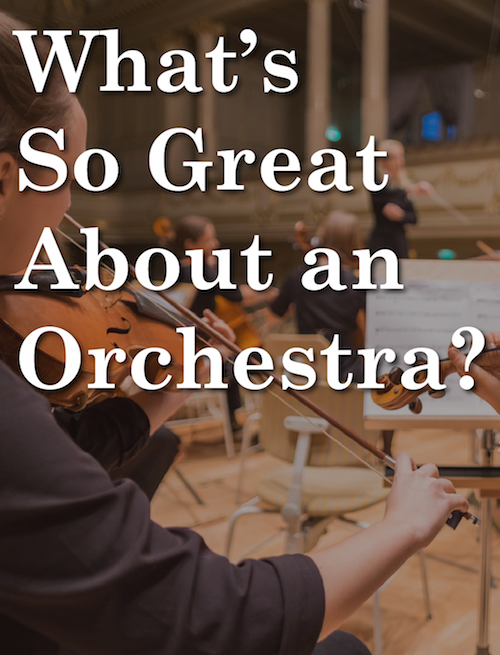
The word “orchestra” brings immediate images to our eyes and ears. But how did this large group of musicians crowded on a stage come to be? Who set it in motion and why? And who listened?
Sweeping across musical time from the days of knights and castles to the modern symphony that performs in stunning architectural spaces, let’s discover what’s so great about the orchestra together.
The Piano
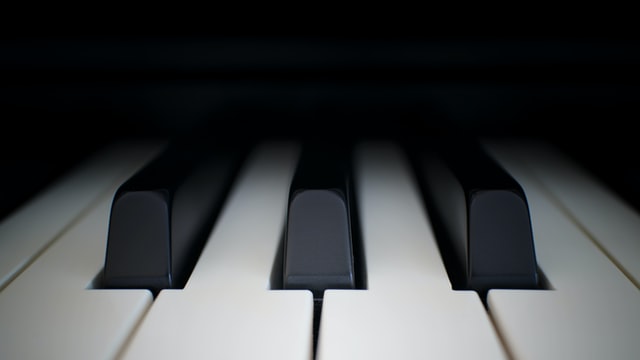
For more than 200 years, the piano reigned as the most popular instrument in the Western world. Families who could afford pianos installed them in their parlors. Music publishing companies flourished in most cities as people raced to buy the newest pieces to play on these pianos. Concert music and theatrical spectacles were heavily dependent on pianos too.
But who invented the piano? How did it rise to fame? Why was it so beloved? Most importantly, what has caused it to recede so drastically in our modern world? We’ll answer these question and others in a lively workshop devoted to the piano. I’ll share some interesting sounds and intriguing pieces of art as well!
Members of the Circle of Scholars have free access to all Webinars.
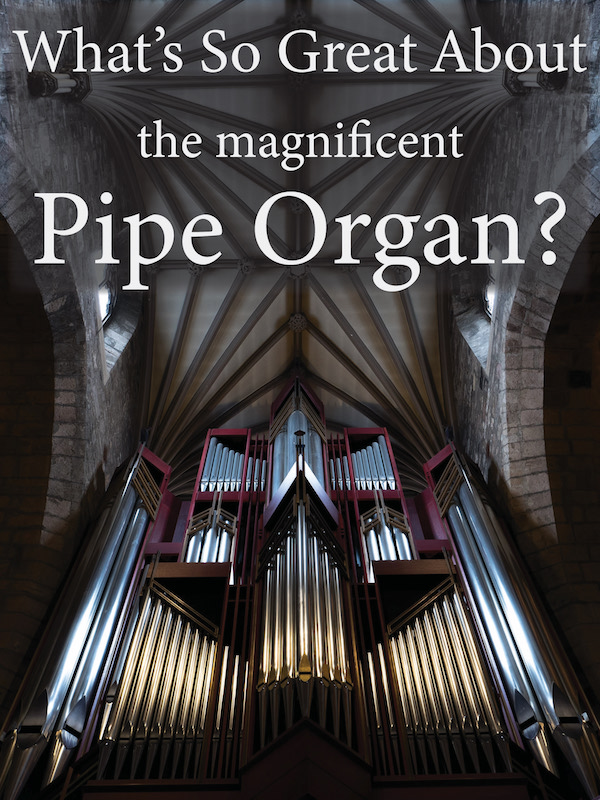
The Pipe Organ
Known as “the King of Instruments,” the pipe organ is forever associated with grand church music. Music for organ appears in virtually every historical era.
For more information on this topic, visit our Pipe Organ page.
Beethoven
Beethoven would be surprised to know how he is regarded today. He came of age at the end of an era we call the Enlightenment, dominated by the musical style of composers like Mozart and Haydn. But his musical ideas belonged to a new era, one marked by the French Revolution and the rise of Napoleon.
Much more about Beethoven can be found in our Composer Showcase series.
You might also want to investigate our mini-course 7 Days to Beethoven.
Mozart
Boy genius? Unmatched musical master? Semi-tragic figure plagued by self-created problems? What about the trendy idea that listening to Mozart’s music will make babies smarter?
Much more about Mozart can be found in our Composer Showcase series.